

How shifting to heavy-duty composite board systems and portable solutions can drastically reduce OPEX and unlock high-yield opportunities in small-sided football.
The global demand for small-sided football (5-a-side, 3v3) is surging. For municipalities, schools, and private sports center investors, this presents a lucrative opportunity. However, the profitability of a mini football pitch investment is often undermined by high maintenance costs associated with traditional, lower-quality wire fencing that warps and rusts.
The future of urban sports infrastructure lies in durability and flexibility. LDK Sports Equipment’s latest investment guide highlights why heavy-duty and mobile solutions are the smartest choice for long-term returns.
The Durability Dividend: Vandal-Resistant Composite Boards
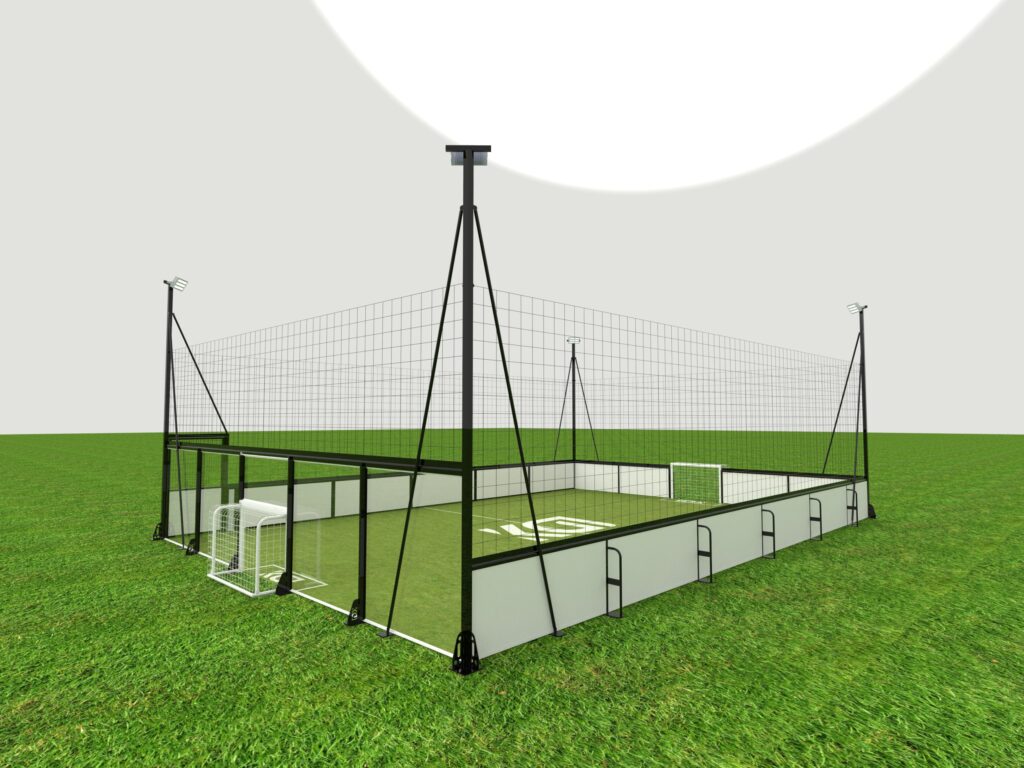
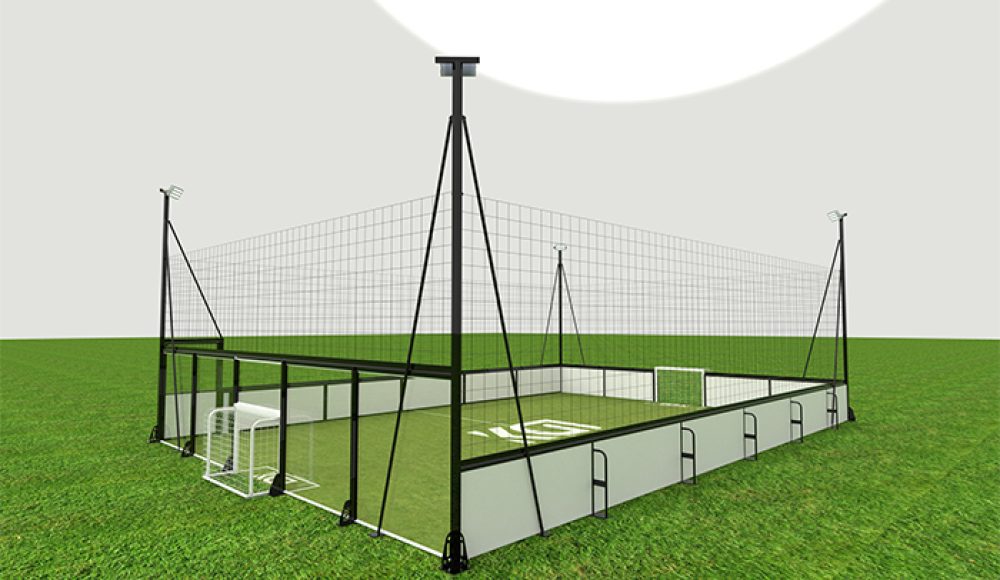
When evaluating durable soccer cages, the rebound surface is critical. Traditional wire mesh often fails under intense public use. LDK’s Euro Style Heavy Duty Soccer Cage (LDK20017E) addresses this by utilizing a robust composite board fence system for the bottom meter.
Comprising high-strength foam encased in iron or aluminum sheets, these boards offer professional rebound quality while being exceptionally vandal-resistant. For investors, this translates to significantly lower operational expenditure (OPEX) on repairs and replacements over the facility’s lifespan, protecting your ROI in high-traffic public areas.
Flexibility as a Revenue Driver: Portable Urban Solutions
The inability to commit to permanent civil work often stalls potential sports projects. LDK addresses this with portable urban soccer solutions, such as the Aluminum Alloy Mobile Cage.
By utilizing an innovative counterweight system, these cages require no ground bolts or concrete foundations. This allows investors to activate underutilized spaces—such as rooftops, parking lots, or city plazas—into revenue-generating sports venues temporarily or permanently. This flexibility allows business owners to test markets with lower risk before committing to permanent infrastructure.
Conclusion
In the competitive landscape of sports facility management, equipment longevity is key to profitability. By choosing LDK’s high-grade steel structures and innovative composite board systems, investors are not just buying a cage; they are securing a low-maintenance, high-yield asset for their community or business.